
The A200C
Transforming the Delivery of Air Cargo
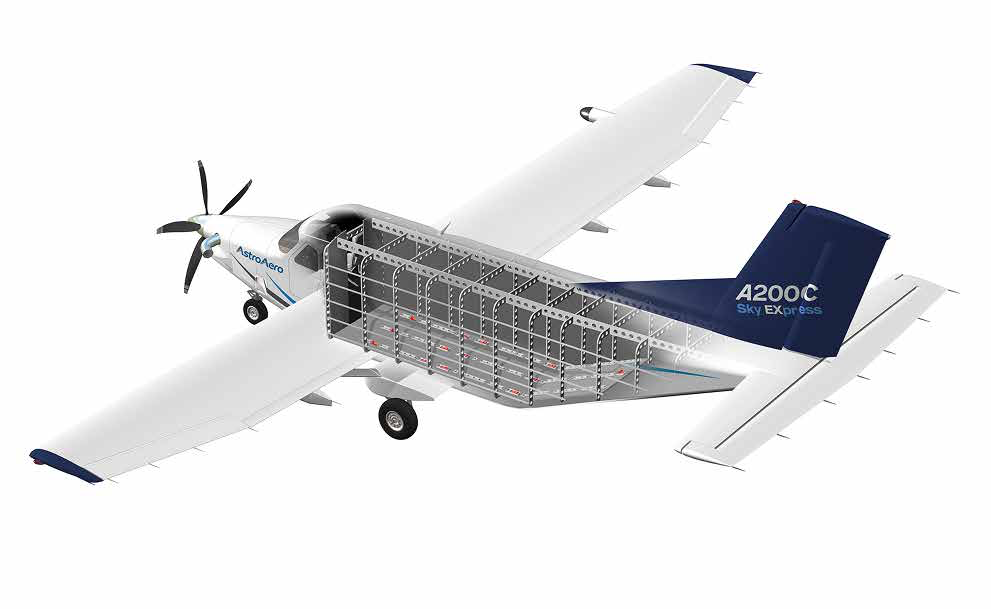
Explore the SkyEXpress
A200C – SkyEXpress
The A200C – SkyEXpress is a cutting-edge single-engine turboprop designed for cargo transport. Its innovative design ensures optimal efficiency in bridging the gap between major freight hubs and remote destinations, meeting modern logistical needs.
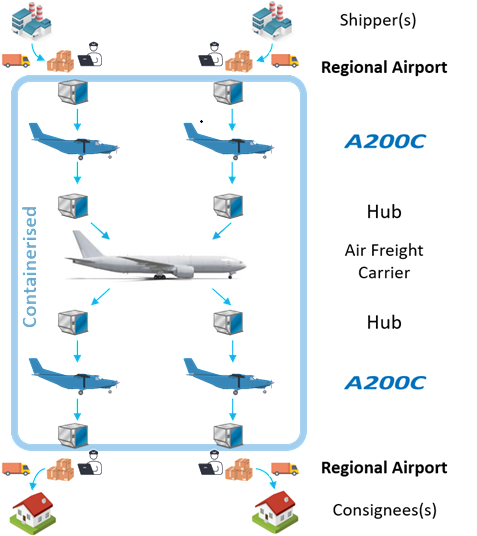
The A200C SkyEXpress represents a generational leap in regional air freight capability. We are delivering a platform that puts true containerised logistics within reach of operators who have historically been left behind by the economics of traditional cargo aircraft.
Design
Among the first aircraft to leverage the flexibilities of the recently modernised Part 23 Federal Aviation Regulations, the A200C is a large single-engine aircraft with the internal volume and ULD compatibility to be a true freight feeder without the over-engineering and prohibitive acquisition costs historically associated with legacy commuter-category airframes.
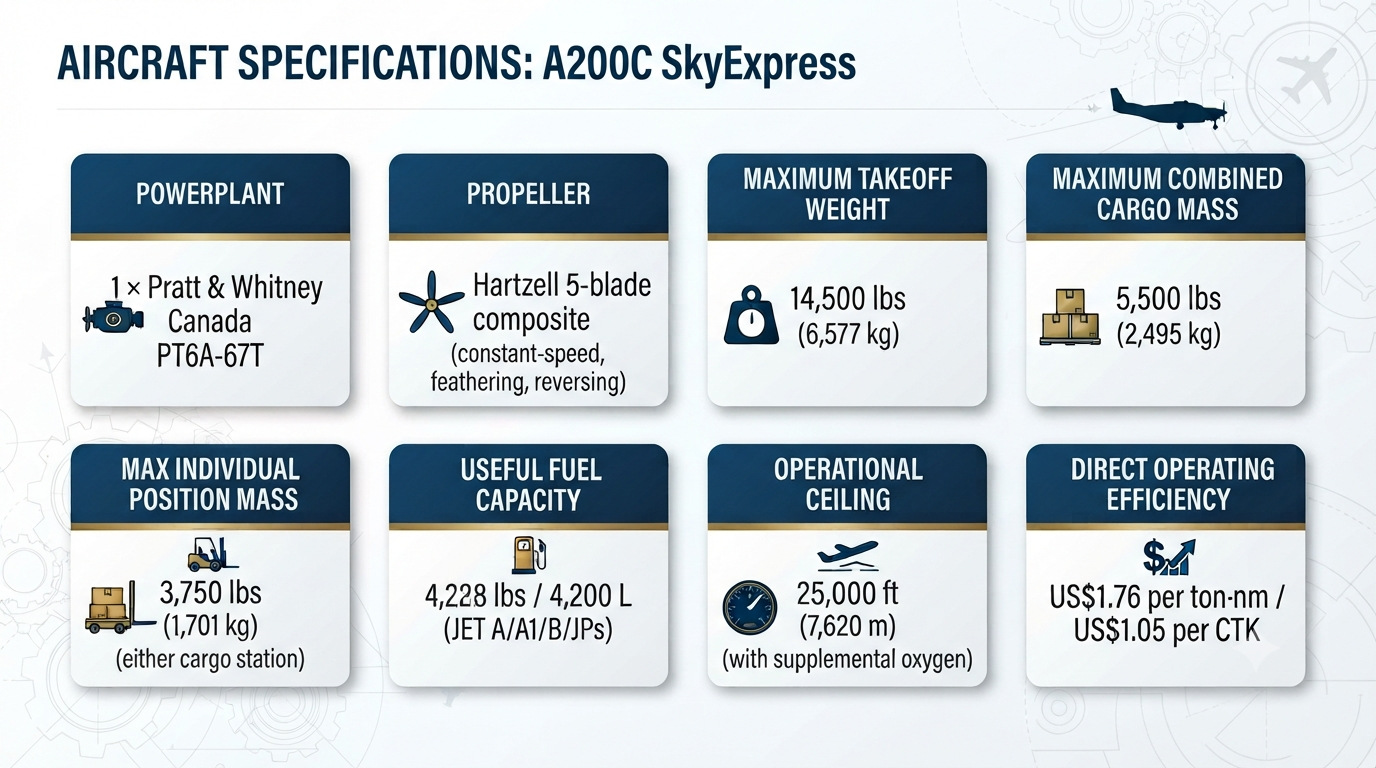
All this combines to an industry leading efficiency of US$1.76 per ton-nautical mile (US$1.05 per CTK) packaged in a robust and versatile, high performance utility airframe. When complete, the SkyEXpress will be the largest aircraft ever designed and built in Australia.
Performance
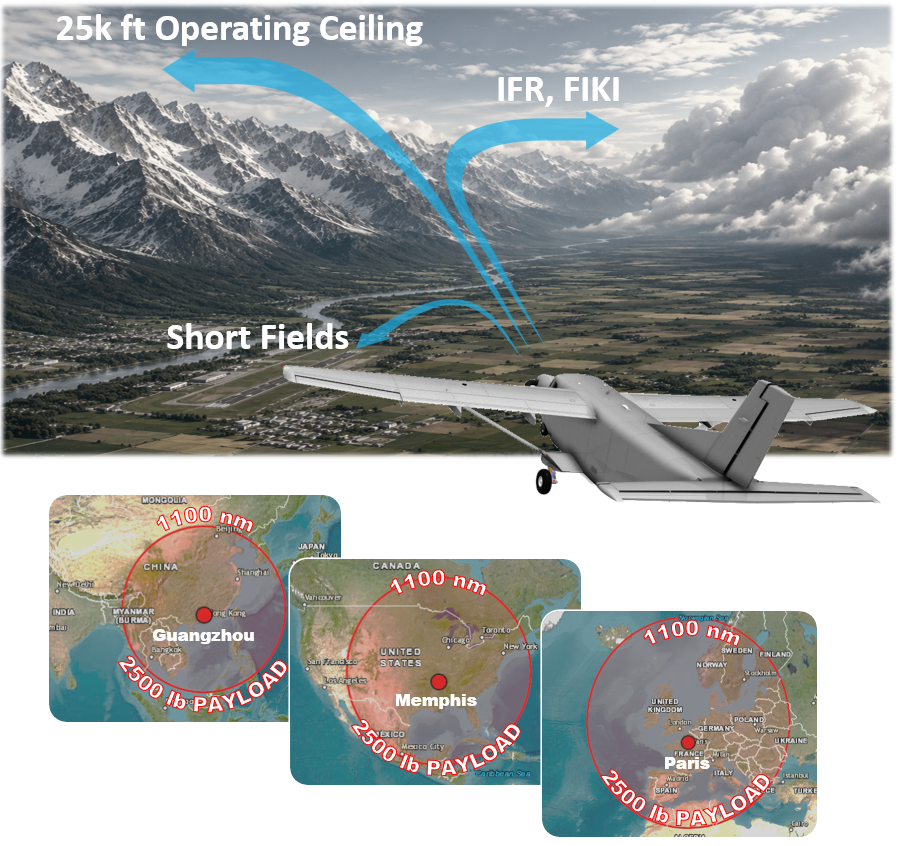
In a typical operational profile, the SkyEXpress can transport two LD3 containers over a range of 1,100 nautical miles without refuelling, cruising at an average 150 KTAS. By combining high ground clearance with a robust landing gear configuration, the A200C safely handles punishing, unpaved runways. Combined with impressive take-off and landing performance the A200C seamlessly connects freight hubs with existing small distribution ports and unlocks a much wider range of primitive airfields previously unreachable by aircraft of this payload capacity.
Ultimate Flexibility
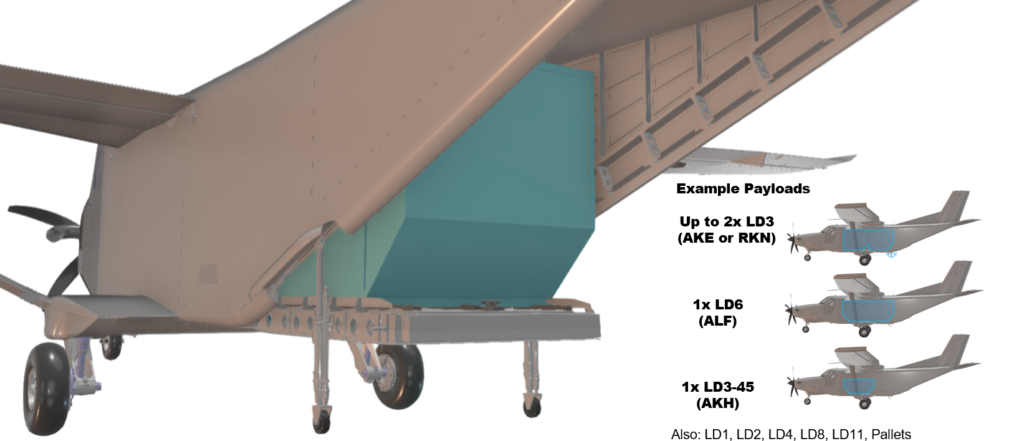
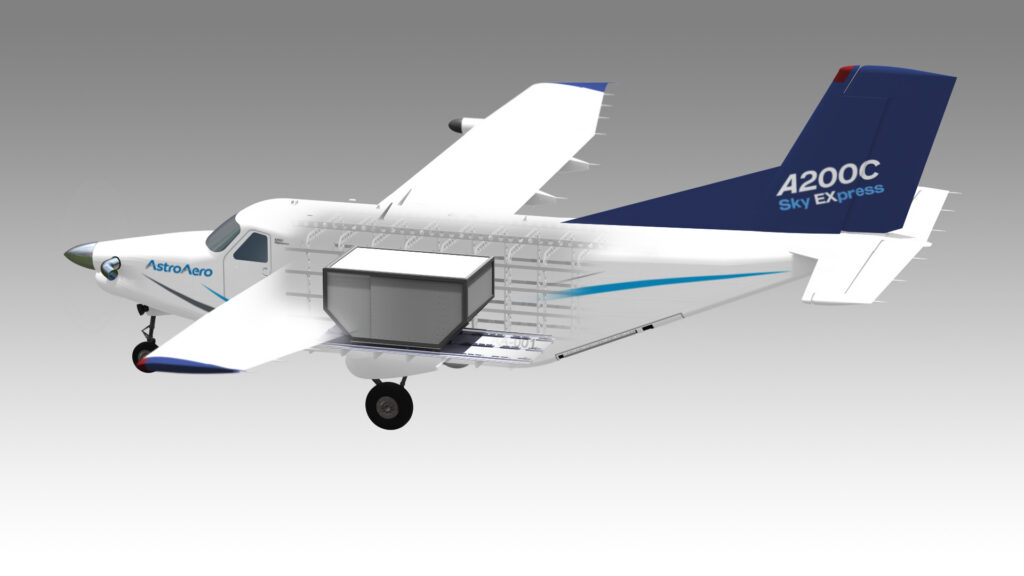
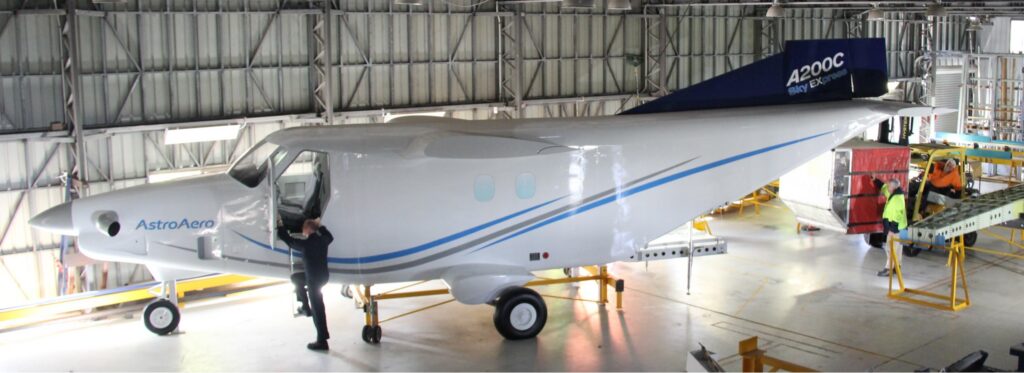
The operational core of the A200C is its innovative, rear-loading cargo ramp and expansive door aperture, measuring roughly 65 inches wide by 71 inches high. While legacy aircraft in this weight class necessitate loose ‘bulk cargo’ stacking, the A200C SkyEXpress introduces true aircraft-to-aircraft Unit Load Device (ULD) and palletised transfer capabilities — a first for this weight class.
The main cargo compartment provides 430 cubic feet of volume, featuring a cargo floor length of 156 inches and a width of 65 inches, allowing operators to mix, match, and transport a massive variety of global logistics container standards:
– Standard ULDs: Full compatibility with LD1, LD2, LD3, LD3-45, LD4, LD6, LD8, and LD11 units.
– Palletised Freight: Accepts any standard half-pallet configurations up to a maximum individual position mass of 3,750 lbs.
Innovation
Recognising that regional infrastructure is frequently subpar, the A200C features an integrated hydraulic, self-leveling support legs built into the ramp assembly. This engineering advancement eliminates the need for ground-based tail stands or specialised ground support equipment (GSE) during turnaround cycles. The self-leveling legs automatically adjust to stabilise the aircraft on uneven terrain or unpaved runways, smoothly accommodating large centre-of-gravity shifts as heavy cargo is rolled across the ramp.
Pilot Pathways
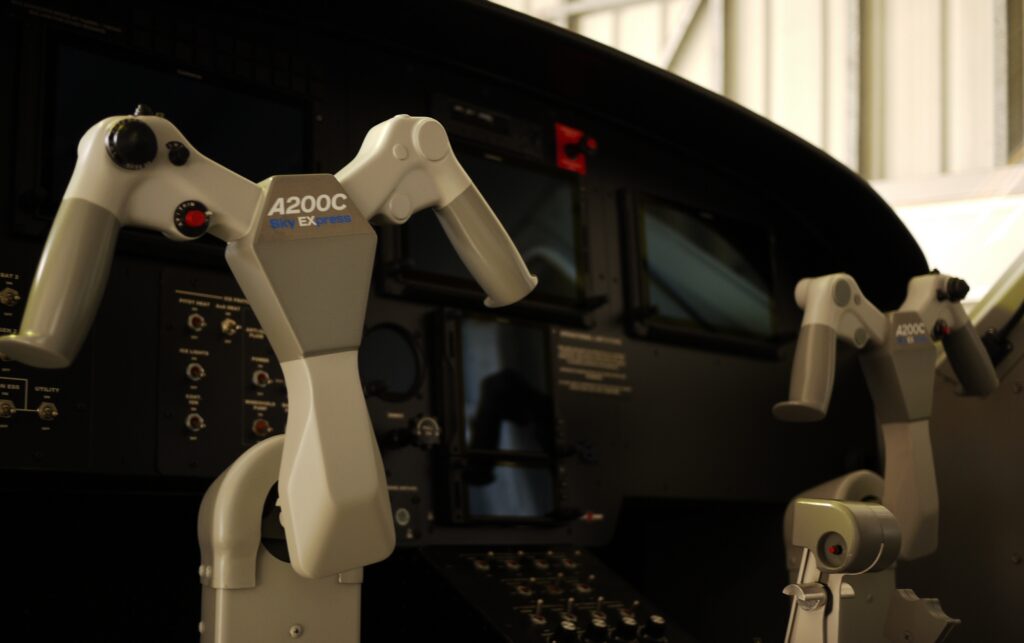
The SkyEXpress is explicitly designed to control pilot training costs. Acknowledging the global aviation industry continues to grapple with acute workforce shortages; by utilising the Garmin TXi suite in a single engine airframe, operators can recruit newer commercial pilots coming straight out of flight academies and transition them into the A200C cockpit with minimal training overhead.
Towards First Flight
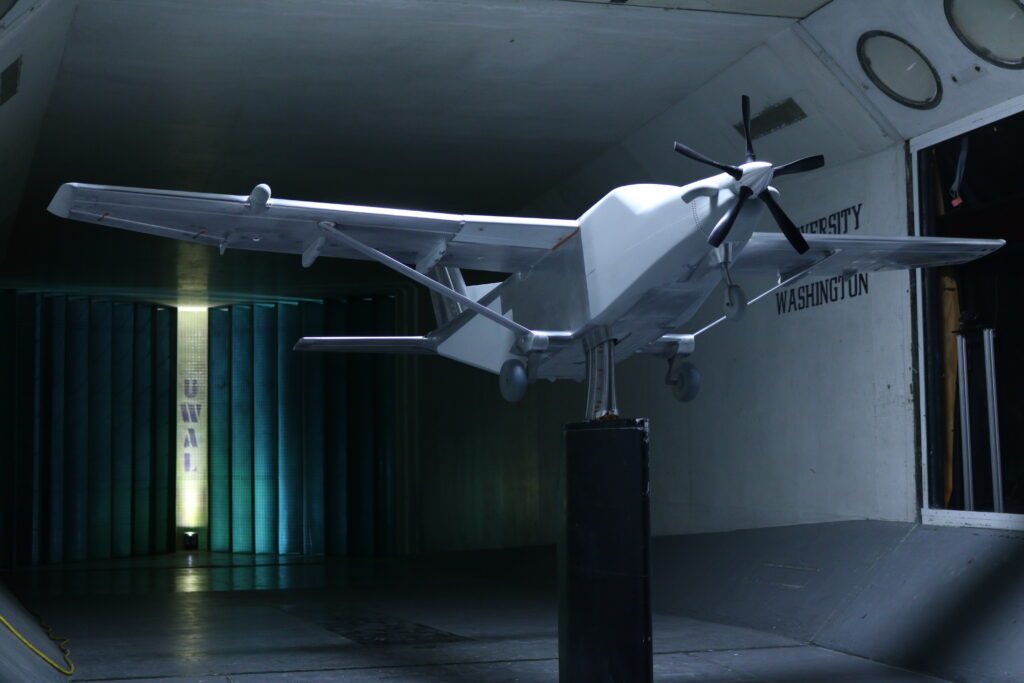
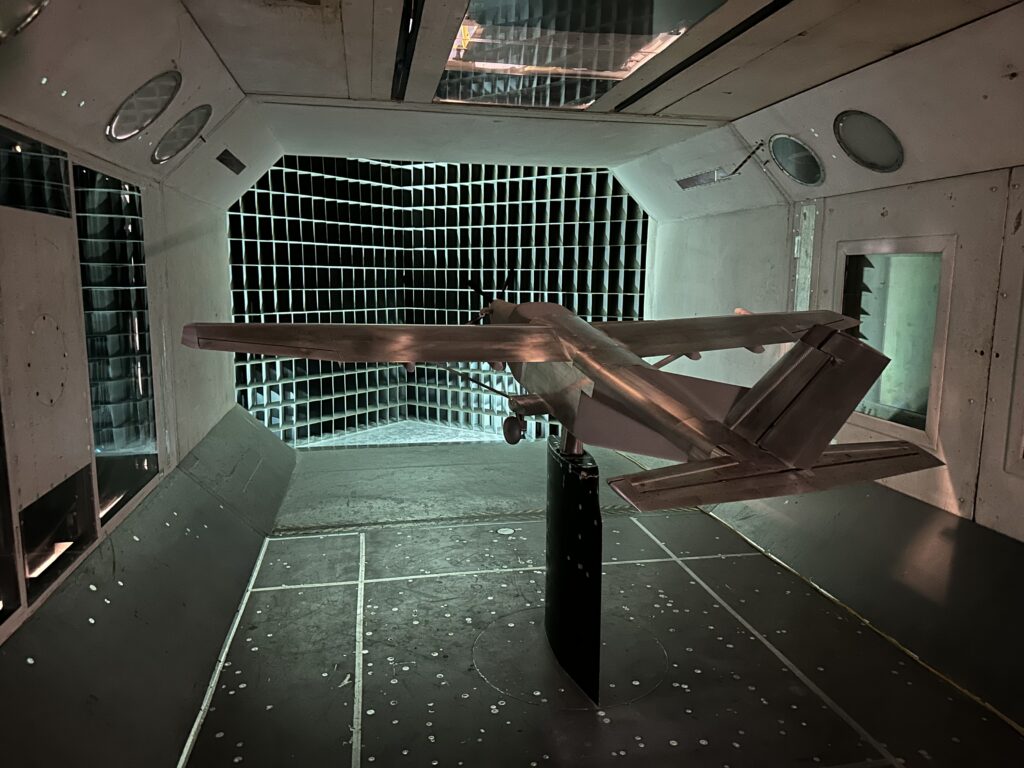
AstroAero’s engineering and flight test teams have meticulously refined the aerodynamic configuration through through a comprehensive CFD and wind tunnel program with our partners at TLG Aerospace and the University of Washington (UW) Kirsten Wind Tunnel facility. This work will ensure the A200C has exceptionally forgiving, predictable handling qualities across the entire flight envelope.
The Prototype
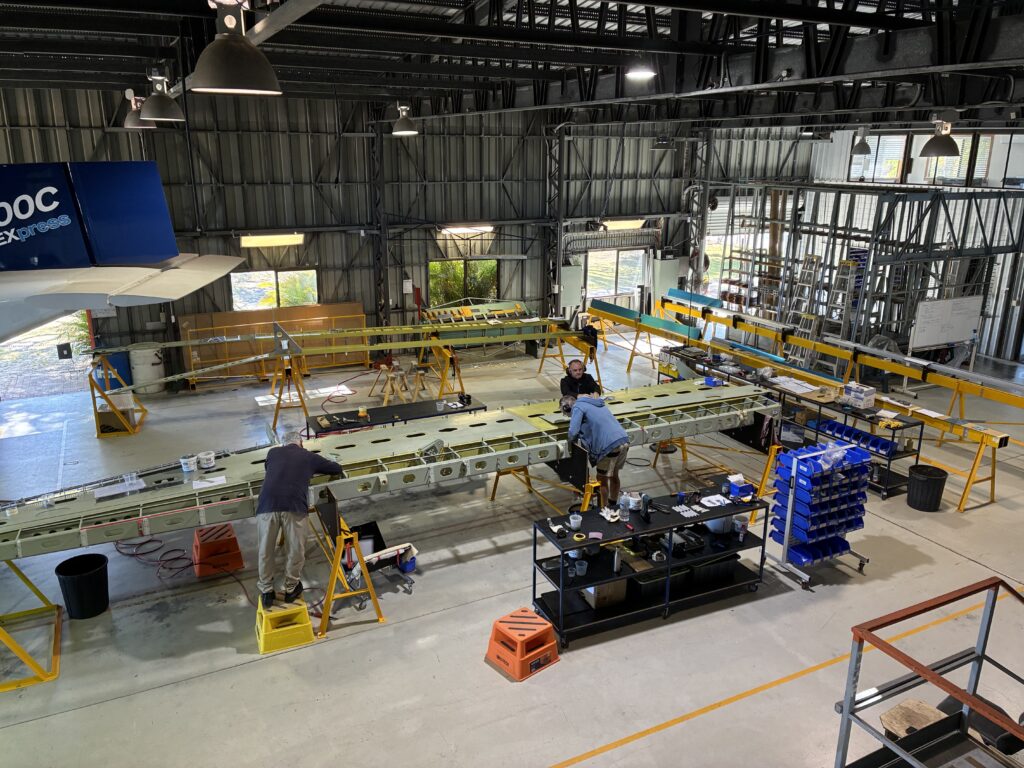
With the design validated and a full size mock up completed, fabrication has transitioned to the prototype with forward and main fuselage sections, and landing gear systems currently in structural assembly. In addition, work has started on a cockpit system integration lab and on critical system testing with landing gear drop tests and wing structural tests imminent — marking the transition from conceptual engineering into physical prototype construction and test, laying the ground work for the program’s initial flying testbed.